10 Common Mistakes That Kill Home Value
This post may contain affiliate links that give me a commission when purchased through my link at no extra cost to you! This helps me support my family, and keeps this site up and running.
Download and print my FREE Flip Completion Checklist for your next project today!
It can be easy to ignore minor problems with our homes over the years. We all do it-including me! Life is busy, and things pile up- this is very normal! But if you’re serious about selling your house, remodeling a rental or other investment property… details matter! I hate to break it to you, but that quick paint job that never got touched up- your buyers will notice! All those little projects will be added to their mental list, and it could kill the deal, or cost you a lot of money on your sales price. It cheapens the look of your home, and will cost you profit on possibly your biggest investment. So don’t ignore your little projects, or the projects the previous owners ignored.
Here is a list of common mistakes, or things that we may overlook that will scare buyers! These are inexpensive fixes, that most people can do on their own.
Poor lighting: No one likes a dark house! It makes the house feel cold, uninviting, and even a little creepy. We’re conditioned as children that dark is scary. Homes are supposed to feel safe and inviting, and it’s part of our subconscious brain that dark=unsafe. Good lighting is important for how your buyer’s brain and body FEEL in a house. Buyers notice how a house makes them feel more than much else. Even if you decide to have a dark and moody paint color (which is very popular right now)- you have to have good lighting to compensate-to brighten and give life to the space. We want your investment to feel welcoming and put your potential renters/buyers in a good mood, and good lighting will aid in providing that atmosphere you need to create the best ROI.
Solution/Tips:
1. First step is to look at what you can keep. “A penny saved is a penny earned”, right? So don’t replace what is working.
2. If you have small light fixtures with only one or two bulbs, and not much natural light- those small fixtures need to go. Replace them with 4-6 bulb fixtures. These are very easy to swap out, and you can instantly change/update your space for very little money. Advice I always give: if you don’t have money for a big reno- paint and replace light fixtures. They make the biggest impact with the least amount of funds, and you can usually do it yourself. If you’re a landlord/Airbnb owner- if you do nothing else to update your rental- do this! Update your paint and lighting! It will increase what you can charge for rent. Look up how to do it on Youtube if it’s not in the budget to hire an electrician.
3. Always replace “boob lights” They’re very outdated, and don’t provide much light.
4. Layer your lighting: On top of your primary/ambient lighting- add task and accent lighting everywhere! Add under cabinet lighting, desk and table lamps, floor lamps (added in corners make the room feel bigger), wall sconce with a rechargeable light bulb instead of hard wiring.
5. Use daylight bulbs for brightest possible space
6. Use a beautiful mirror (across from windows, and near lamps) to bounce light and keep the eye moving/add depth
7. Maximize natural light: Stage with light/sheer curtains (hung high and wide), mirrors across from windows, keep windows free from clutter and furniture as much as possible, use mostly light wall colors
8. Small kitchen island pendants make me sad: Make a statement! Go big and bold (but not weird) and completely change the look of your kitchen
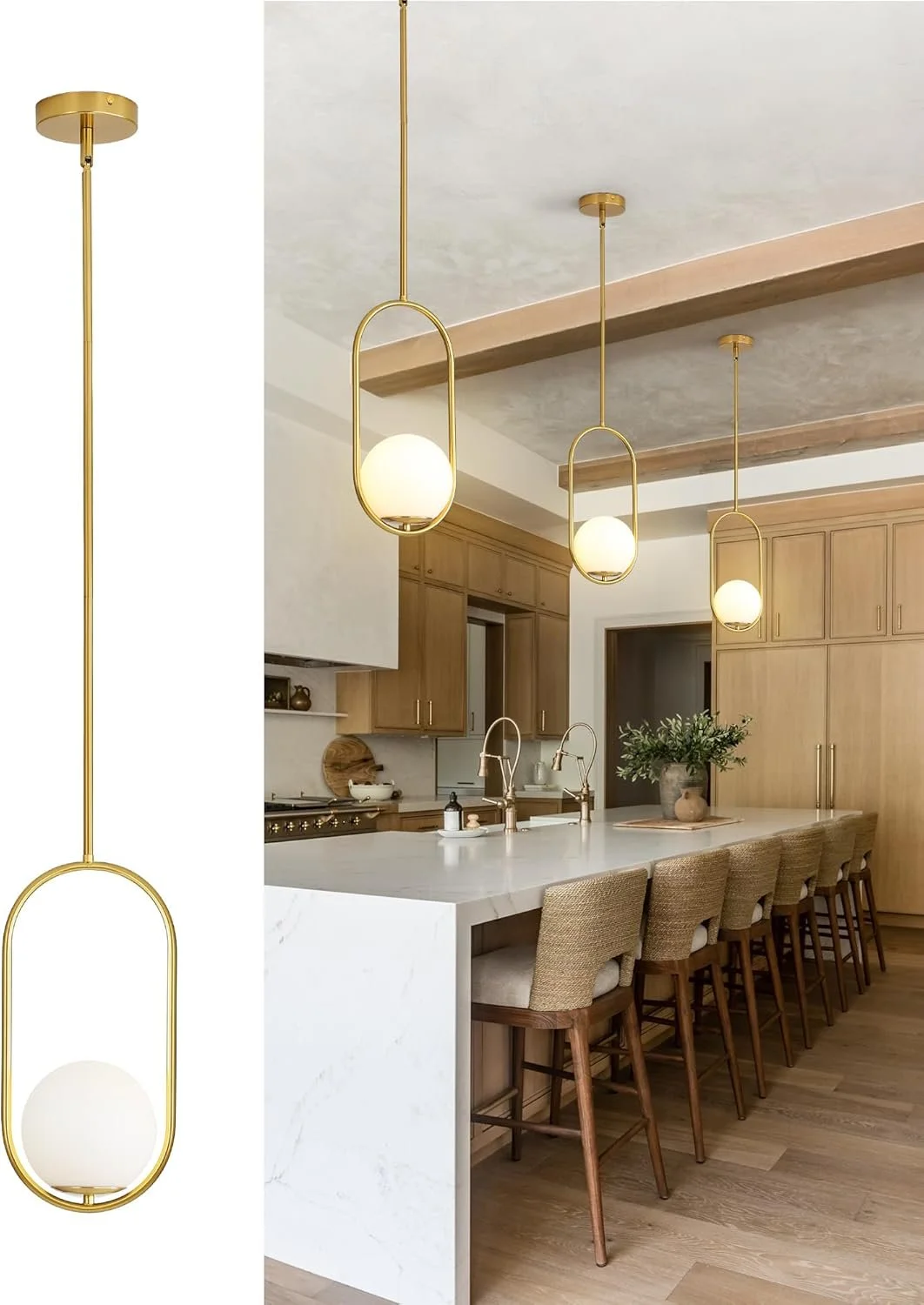
Try to imagine builder grade, tiny light fixtures in this gorgeous kitchen- would change everything, right? Even in a less glamorous kitchen- a lovely light fixture makes such a difference!
Furniture inappropriate size for the space: The scale of furniture that you’re staging with makes a difference. If you’ve got low ceilings and low windows- if you put a heavy looking or tall couch in your room- it’s not going to feel balanced=room will feel smaller. Likewise, if you have tall ceilings with lots of blank space, a dainty couch is going to make the room feel empty, off balance, and a little awkward.
Solution/tips:
Look on inexpensive websites like Facebook marketplace or Amazon for inexpensive staging furniture.
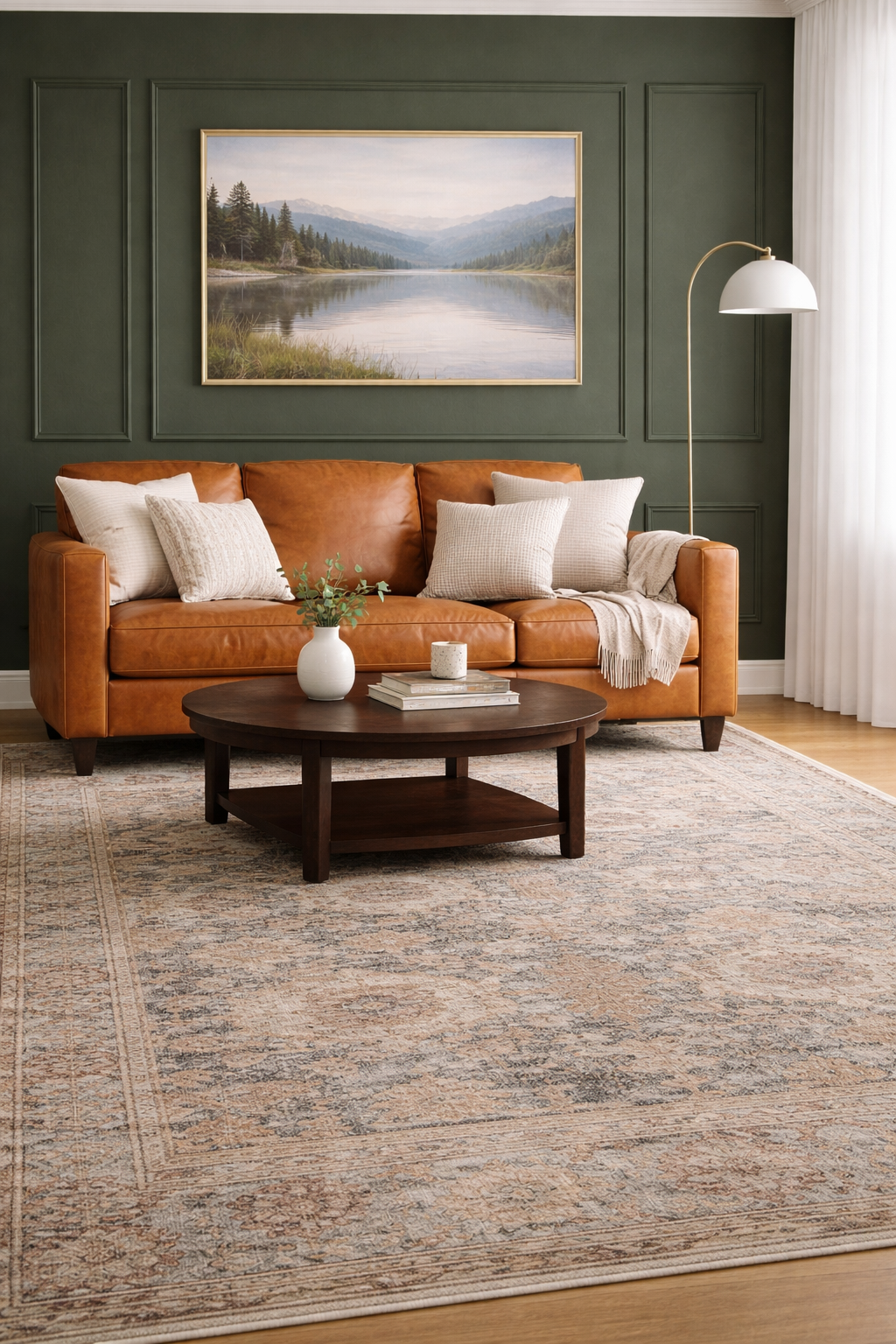
If your room is small, look for a low-back couch with thin legs to keep the eye moving under the furniture. A good example would be something like this. See how it keeps everything lifted, light, and keeps the eye moving? Depending on the space, you could add two accent chairs instead of a second couch to show seating, but keep the space open and balanced. If you’re going to purchase a staging sofa to be used in multiple projects- a modular sofa may be a good option (to customize to different spaces).
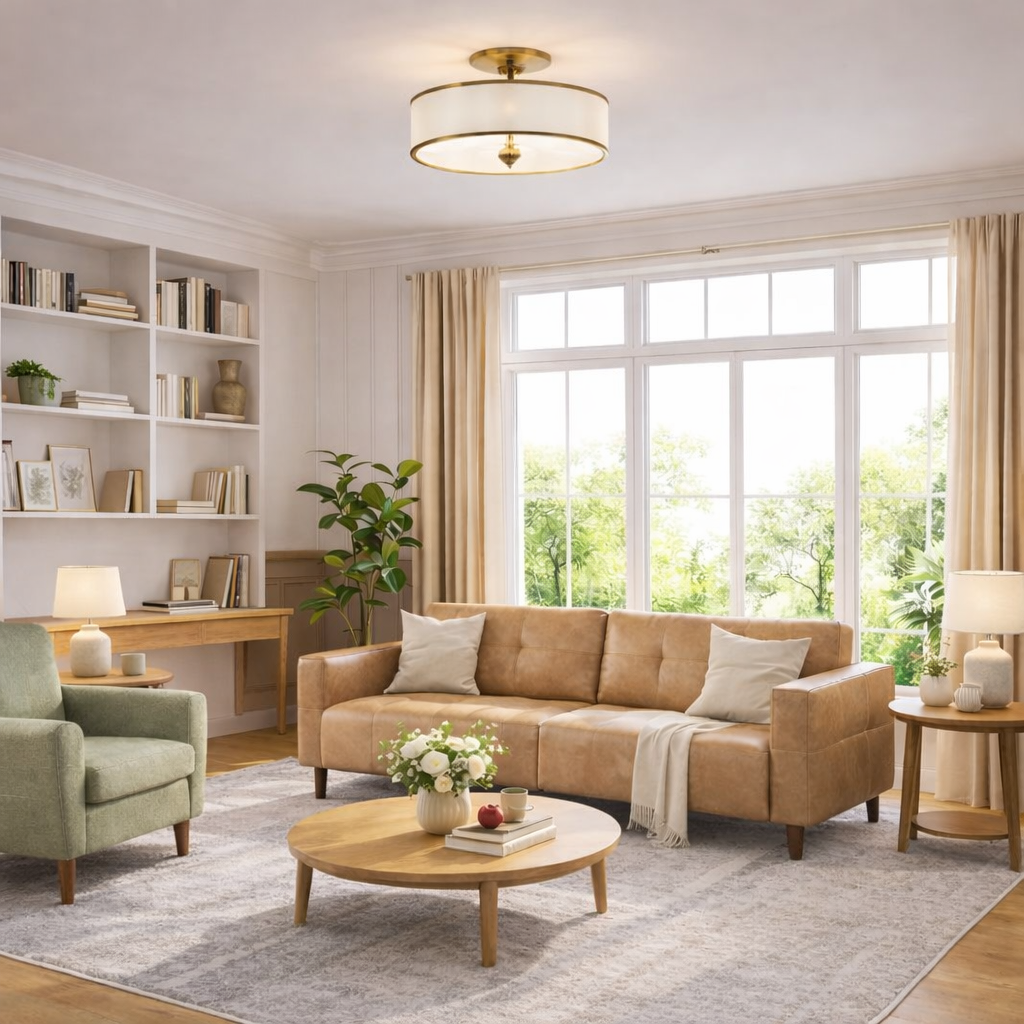
Let’s compare and contrast:
Smaller furniture with open legs create a sense of space, calmness, function, and beauty without sacrificing seating (you could always add another chair here).
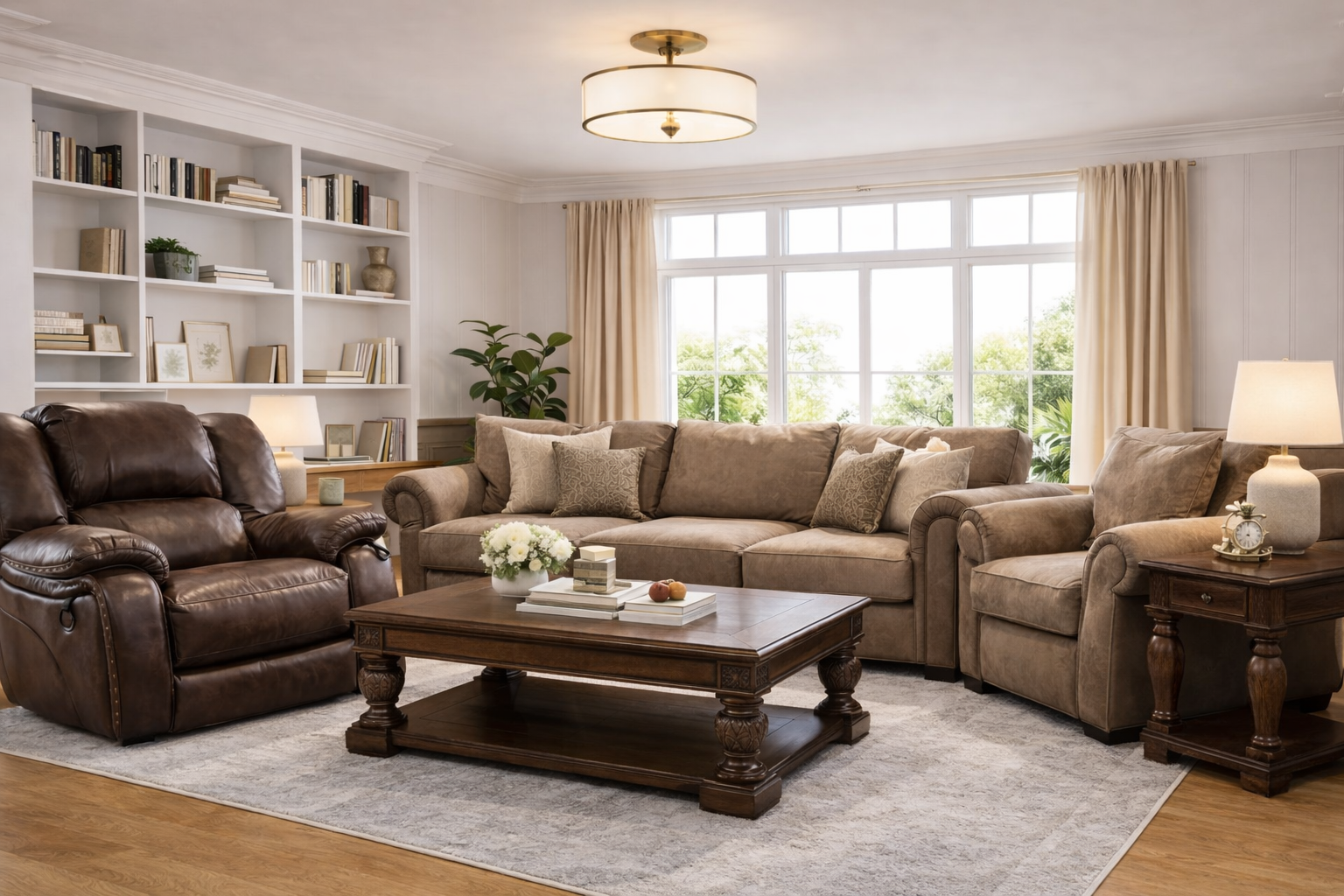
How does this room make you feel vs the other furniture selection? The bones of the room are the same, but this furniture makes the room feel heavy, small, dark, and hides the big selling features of the room (big window, built ins, wall moulding, floors). Short furniture legs gives the illusion the room stops where the furniture does- making it feel smaller.
Not staging:
Strong smells- even good ones
Poor curb appeal:
Structural and behind the walls:
Let’s make a checklist, because these will come up on your inspection. We’d like to avoid unexpected costs, or reasons for your buyer to feel uncomfortable purchasing your home:
Forgotten permits and inspections (this can put you behind weeks)
Electrical panel capacity
Grounding and GFCI updates
Load bearing wall check before removal
Attic insulation & air sealing
Crawlspace vapor barriers
Termite and mold inspections
Updated pipes (plumbing)
Over or under customizing
Sloppy or unfinished (DIY) renovations
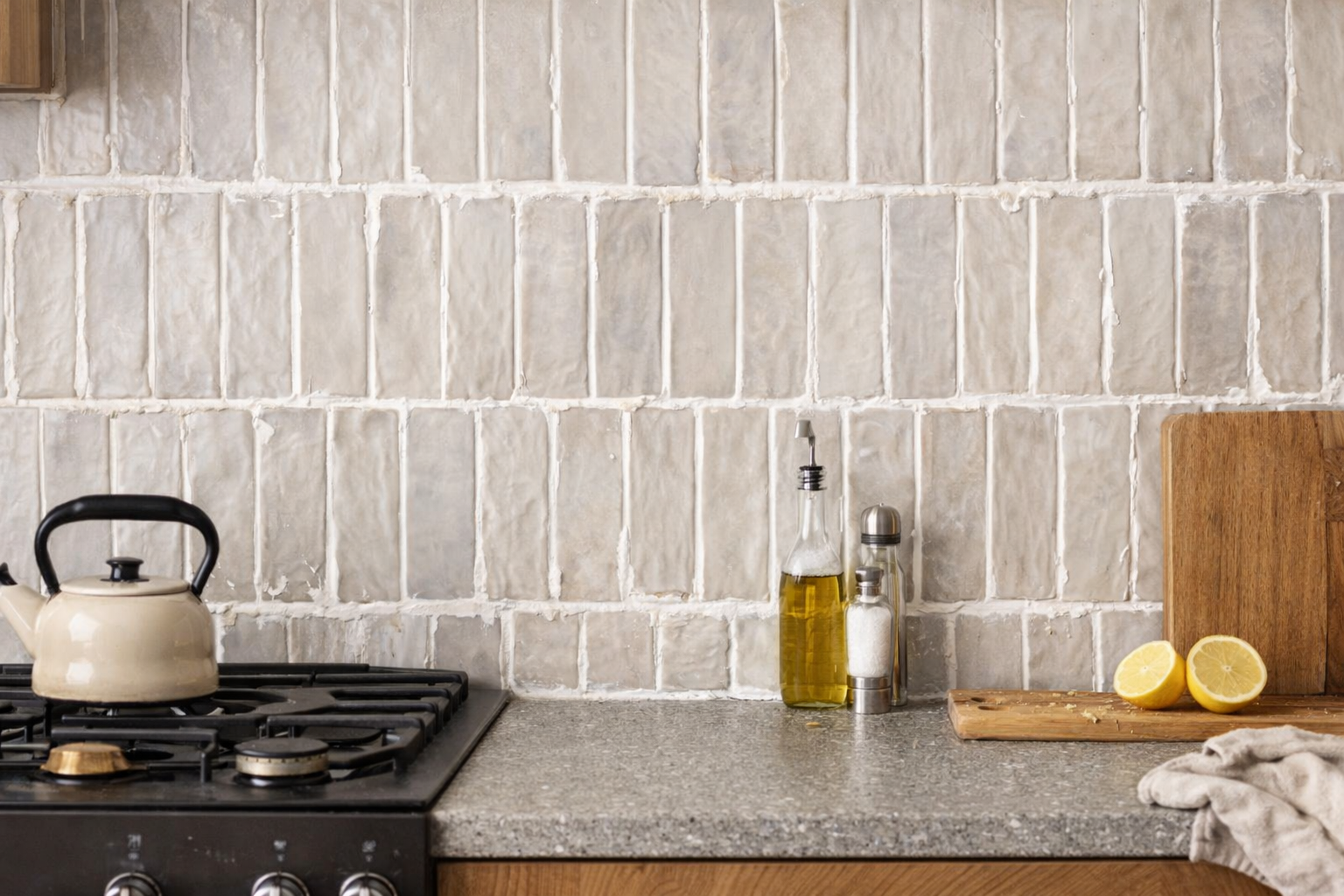
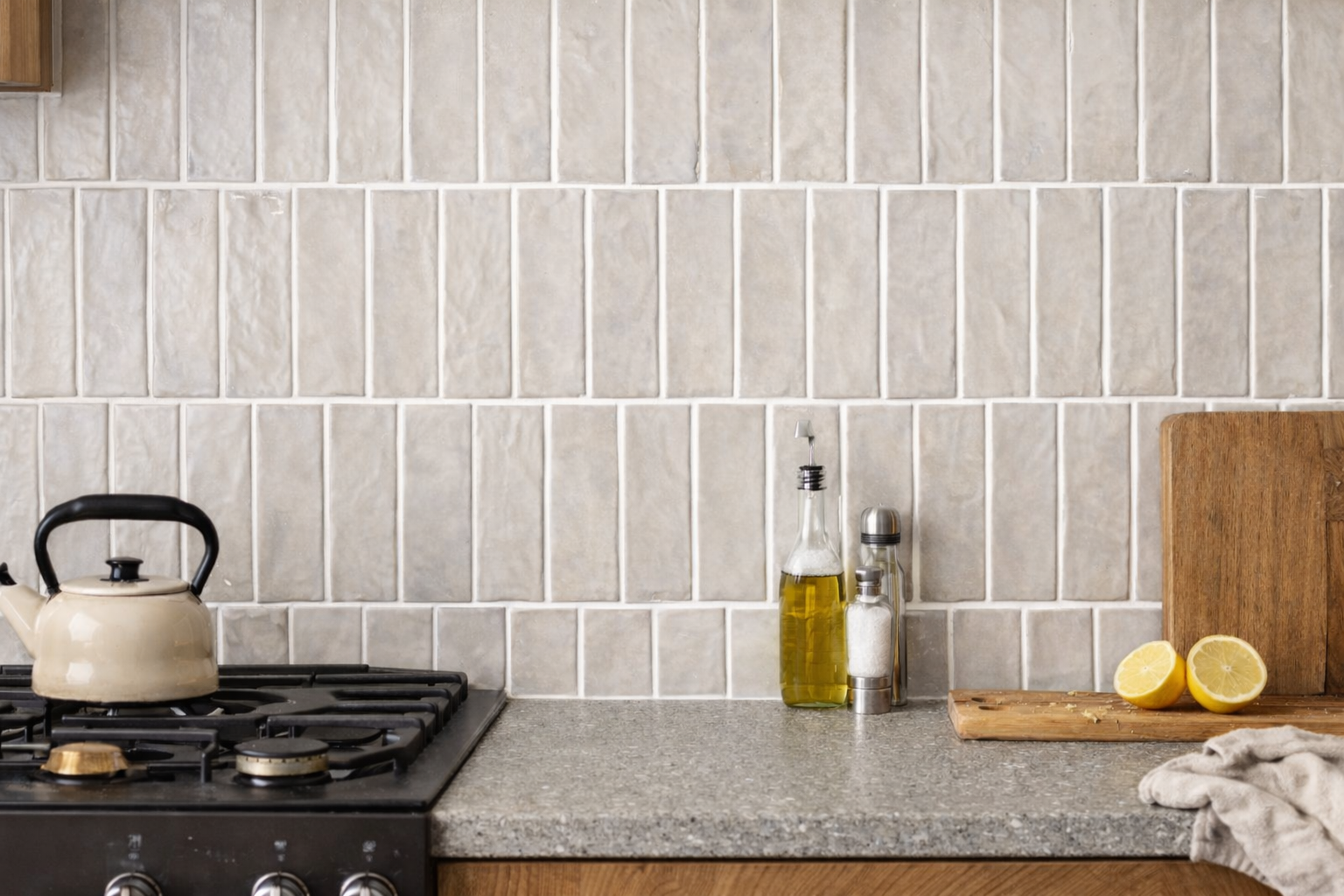
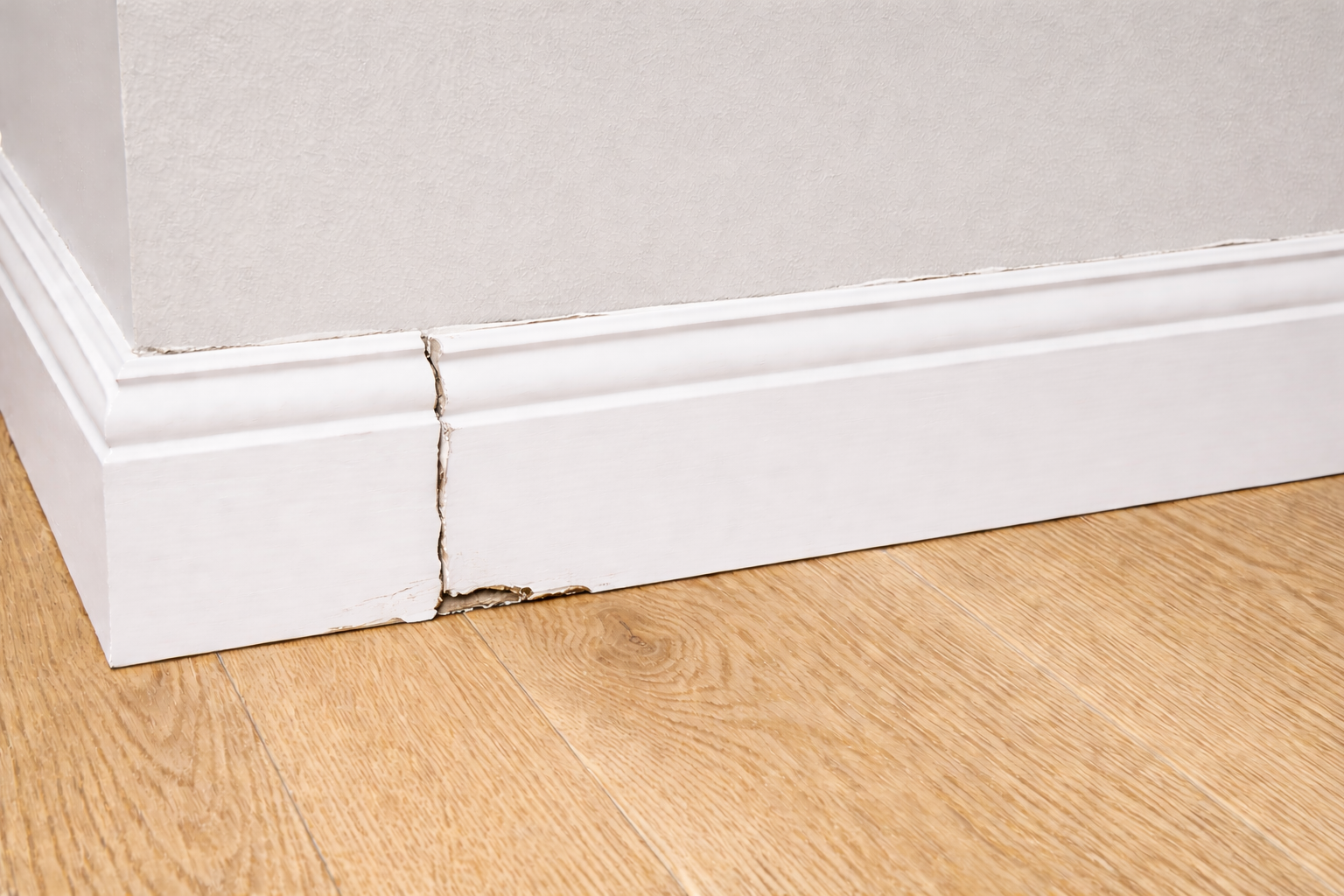
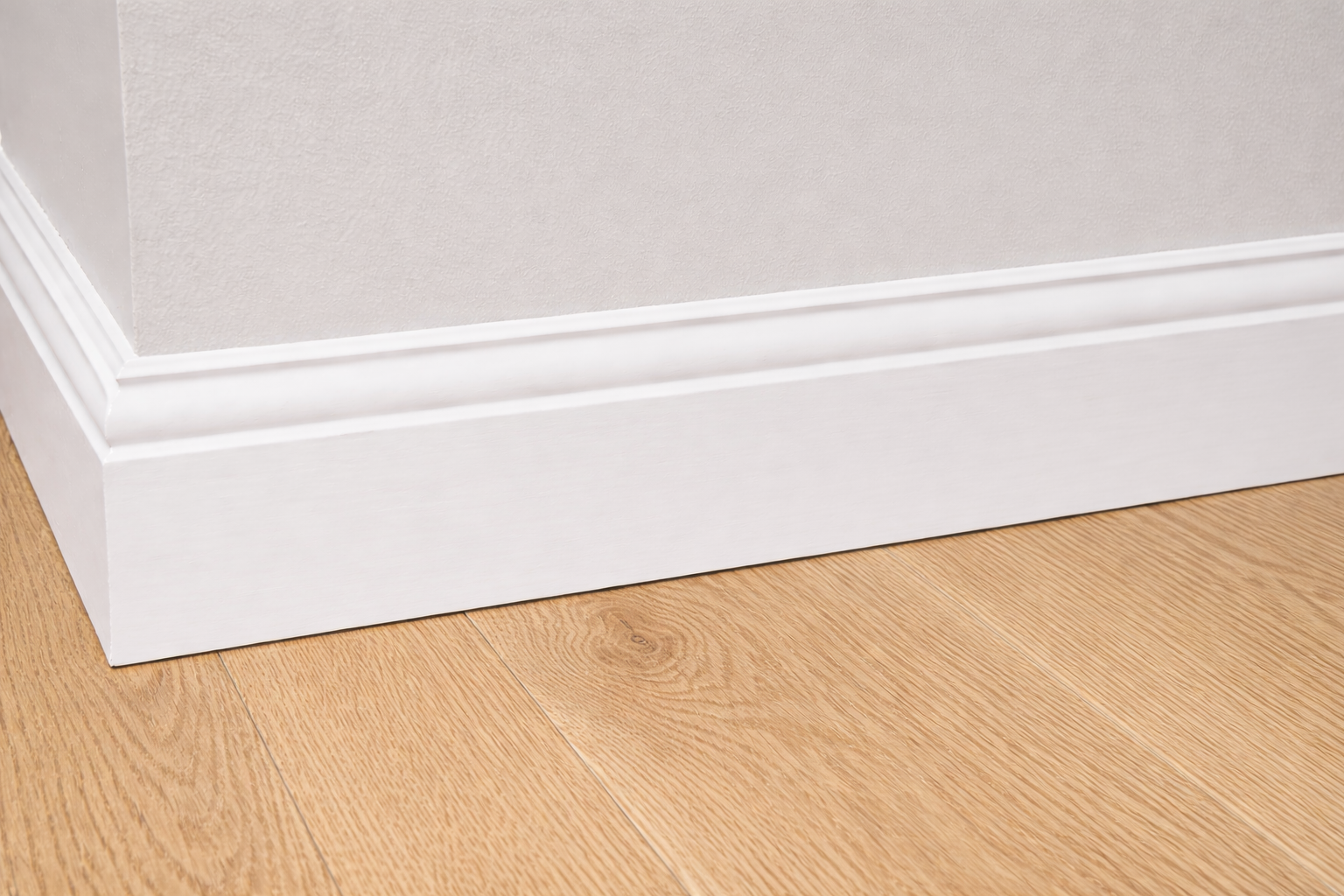
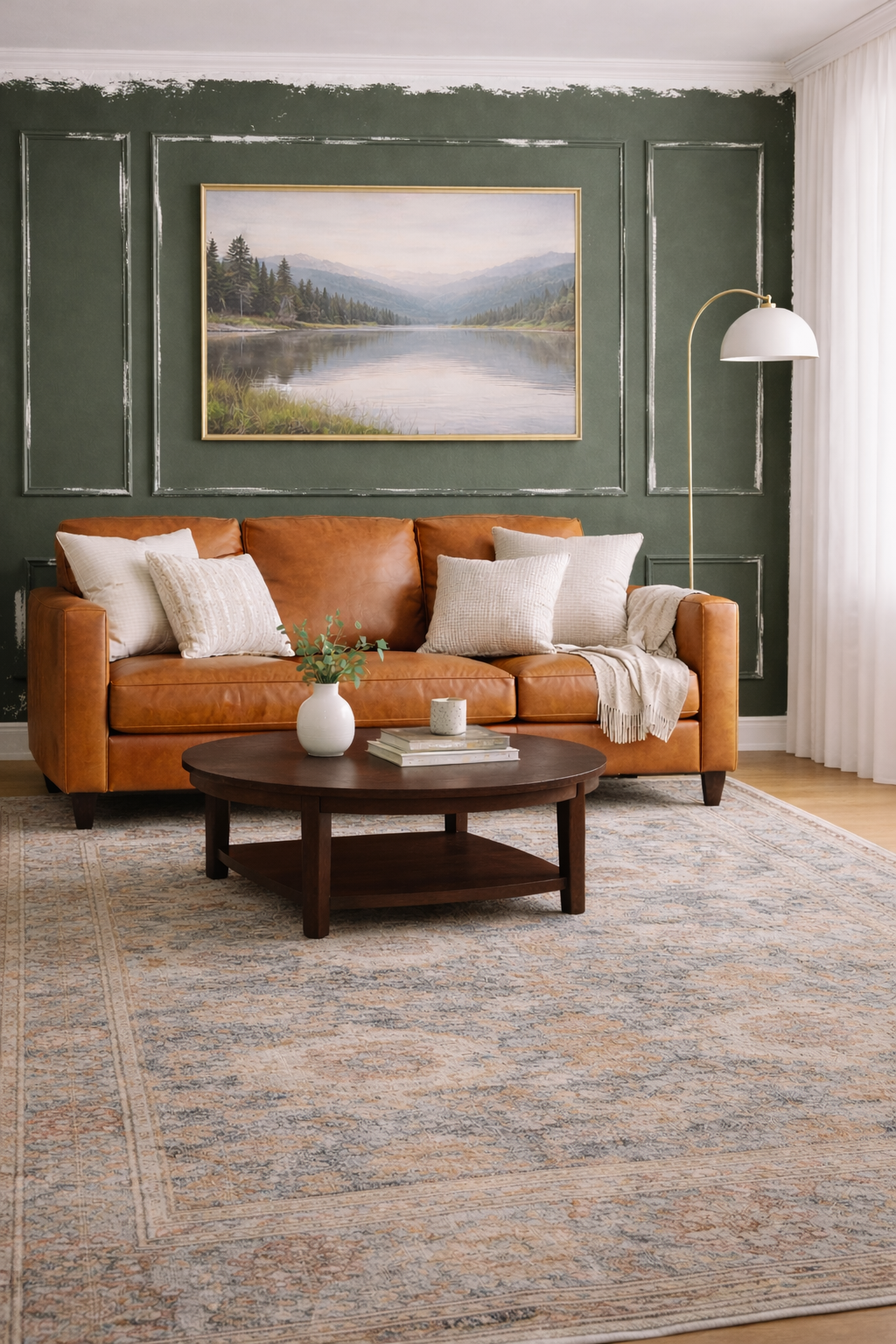
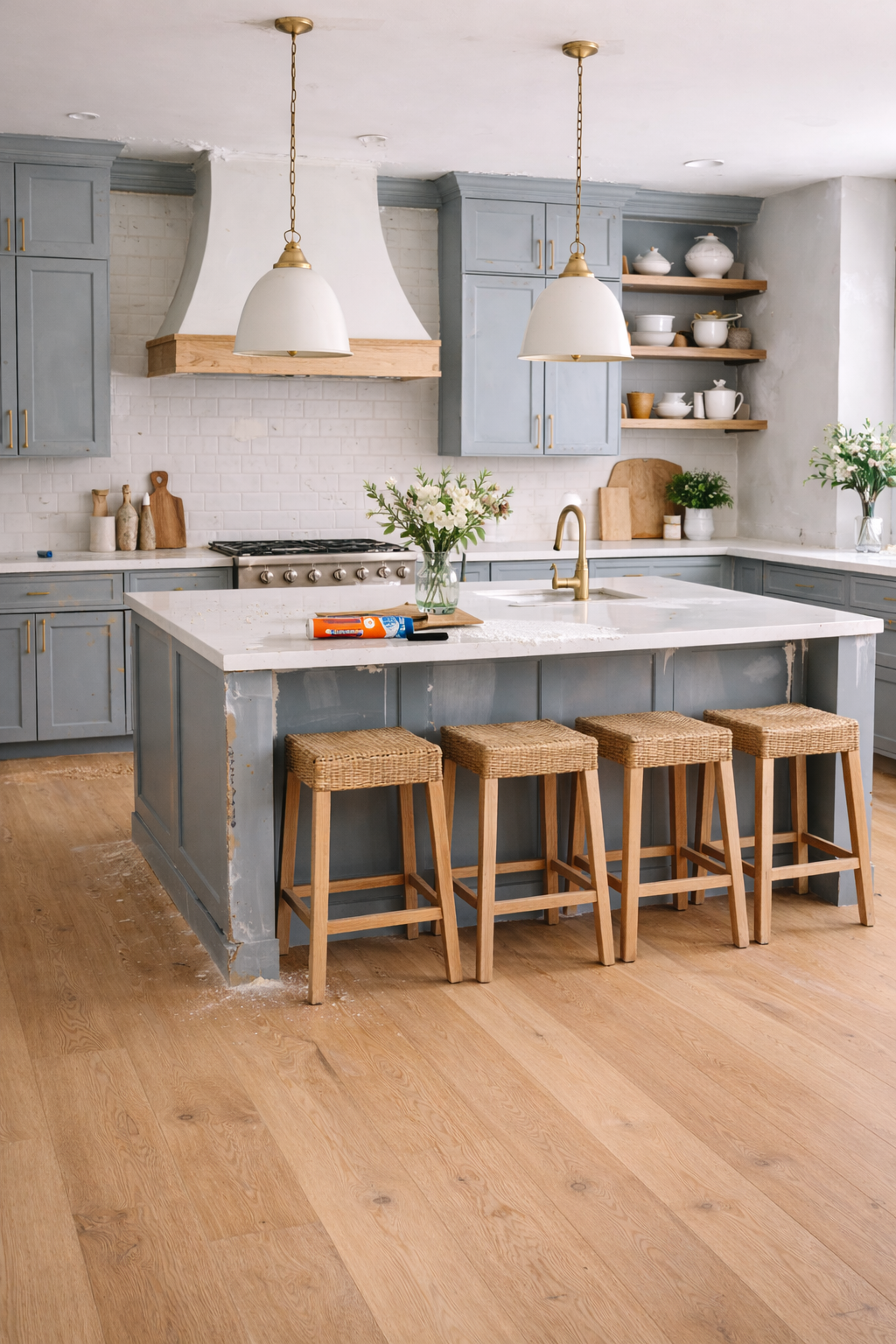
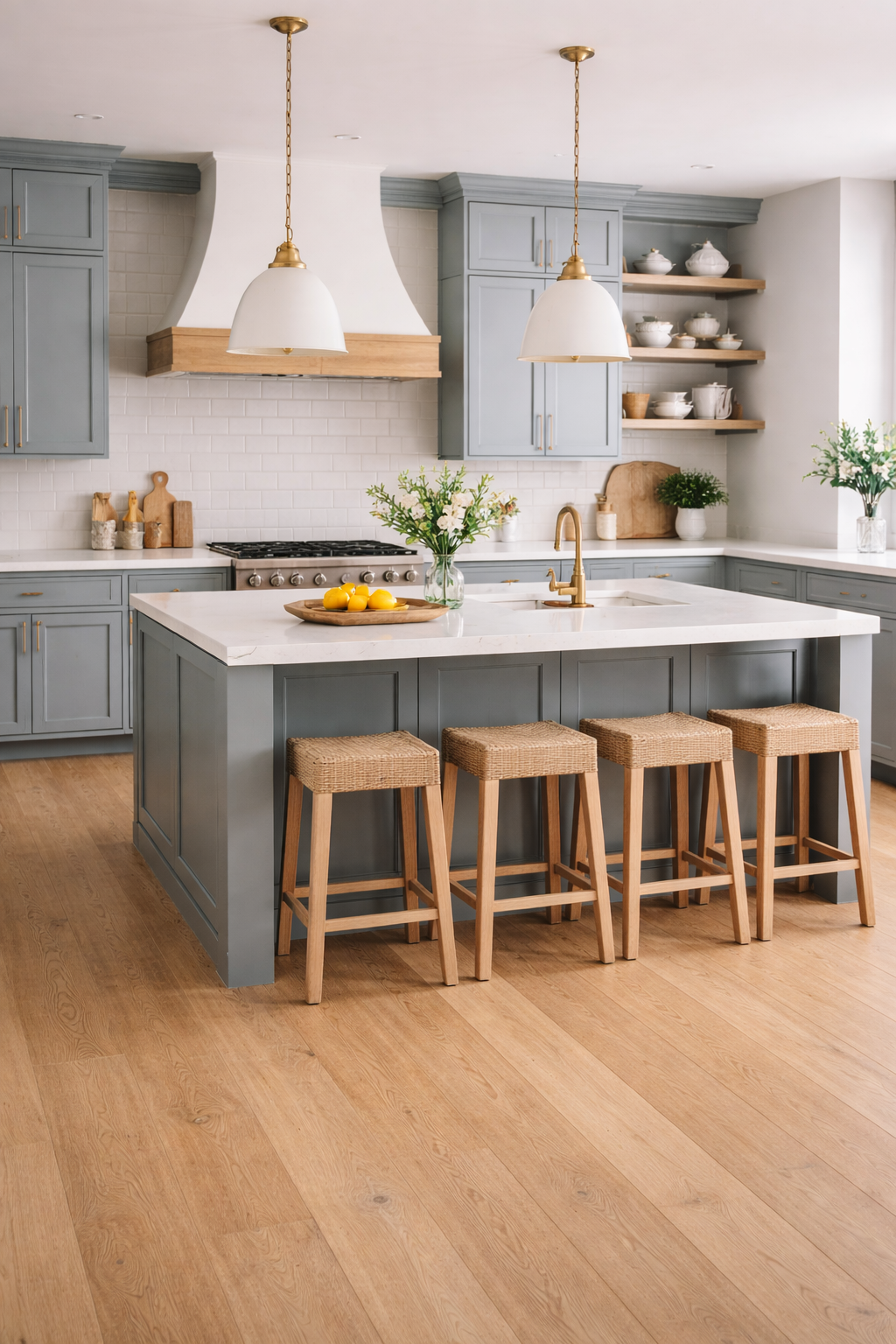
The before and after on these renovations really show us how important the details are. That kitchen is gorgeous no matter what, but when it’s unfinished or beat up-we notice. Buyer’s bodies will have a reaction to both- one positive and one negative. You want to boost the mood of your buyer, and not add stress and mental load. You’ll scare off buyers if you don’t fix sloppy work, don’t have clean paint lines, or leave things unfinished. Do it right the first time, and your buyers will feel much more confident purchasing or renting your home. Re-do caulk that is old, cracking, sloppy, or yellowing. Sand down sloppy grout. Replace baseboards that are damaged, and door alignment after new floors. Clean up paint lines. Repaint dingy, yellowing, and old paint. Touchup or replace damaged cabinetry. All of these things are fairly inexpensive, and will make your home feel brand new, custom, warm and inviting, and QUALITY. Don’t take shortcuts, again, do it right the first time. It will bring in higher profits, making it a better investment without spending a whole lot more time or money.
Overpricing from the start
Weird or outdated finishes (carpet, dated tile, old paint that has discolored or white paint that has yellow undertones):
Interior hardware consistency
Correct paint sheen
Exterior and envelope:
Flashing and weather proofing around doors and windows
Caulking and paint maintenance around windows, doors, and trim
Grading and drainage away from the house to prevent water damage or flooding
Correct gutter drainage and extentions
Roof flashing to create water tight seals and prevent structural damage
Prune plants and trees to prevent moisture, pests, mold, rot, and clogged gutters. 6-10 foot clearance is recommended