Investment Property Design: Renovation Design Decision Making Process
This post may contain affiliate links that give me a commission when purchased through my link at no extra cost to you! This helps me support my family, and keeps this site up and running.
Purchasing an investment property of any kind can be exciting and scary at the same time! You’ve made a huge financial step, and taken on a financial risk. Making the right design decisions is an important step to protecting and caring for that investment, and ensuring you’re getting the biggest bang for your buck. Let’s take a closer look at design decisions that can help you do that.
First things first, look at what is working and what is not. Maybe you bought a complete gut job- a hoarder house that needs several phases of cleaning and demo. Maybe you bought an outdated grandma house that was meticulously kept, and just needs upgrades. Or something in-between. Whatever you’re looking at- lets follow these steps, and try to stay within these guidelines.
Keep the floorpan if you can. I’ve had flips that I’ve HAD to change the floorpan. It would not have sold without layout changes. I get it. But, if you can keep the 4-way (walls, electrical, plumbing, HVAC) where it is- you’ll save yourself thousands of dollars, and weeks-months worth of work. This is something to keep in mind when you’re shopping as well- maybe don’t buy a house that needs a complete layout change. But, if you’re already in a situation where that needs to happen- still follow the steps below and be mindful when making decisions.
What can you keep? What about the general layout, and kitchen/bath footprint is working? What big ticket items can you keep: flooring, countertops, cabinets (boxes and/or doors), appliances, wall colors, storage systems, mechanical systems, plumbing and electrical, exterior elements, doors and windows. Designer rule of thumb: If it’s expensive to remove, structurally sound, and not visually offensive after refinishing — keep it.
What is NOT working? What is so damaged or outdated that it can’t be refinished or reuse? Make make a list of problems and of possible solutions. This is a rough draft. It might looks something like this:
Kitchen cabinet boxes are good, but the doors are outdated: replace the doors and repaint the boxes
Hard floors are in good condition. I can pick other finishes that compliment the outdated floor tile so that it doesn’t feel so dated.
Carpet is stained and smelly- must go
White walls are yellowing from sun exposure. Entire house needs to be painted
Primary wall color is good- updated, fresh, and clean lines. There are 2 bedrooms with wall colors that are too buyer specific and need to be neutralized
The house is full of garbage and will needs 2-3 weeks of cleanup before demo can begin
Layout is good overall, but the kitchen needs some reconfiguring. How can I get creative to keep the footprint as close to its current state? Can I move the pantry, add an island, add a pantry, add counter space somewhere else?
Plumbing is original to this 1950’s house. Consult a plumber and get a quote
Hardware is mismatched, old, and some of it is broken. Must be replaced through the house
Hardwood floors need to be refinished throughout main floor (hire or DIY?)
Lighting is outdated, doesn’t provide sufficient lighting, and needs to be replaced
The layout is slightly odd, but not worth changing. Stage to problem solve, inspire, and paint a clear picture for what the space’s potential/use will look like.
Dining space is small on this 5 bedroom house. The buyer will probably have 4 or more kids, so they needs a lot of dining space. Create a built in bench to save space, and showcase their is adequate dining.
There is no linen closet- is there a place I can add one?
The goal here is to get a rough list of problems you need to solve for your buyer. Example below: This is beautiful dining space, but if your buyer comes into this room without the table and built in bench, they may think, “This is pretty, but I have 5 kids, and there isn’t room for our dining table. This may be a deal breaker”. Whereas, if you spend a little extra time and money solving that problem before they’ve even stepped foot in the house, their mind will go to the creative side of their brain and they may start envisioning themselves enjoying that space, and building memories. Your job is to be one step ahead of the buyer, and solve their problems for them- in your budget and timeline.
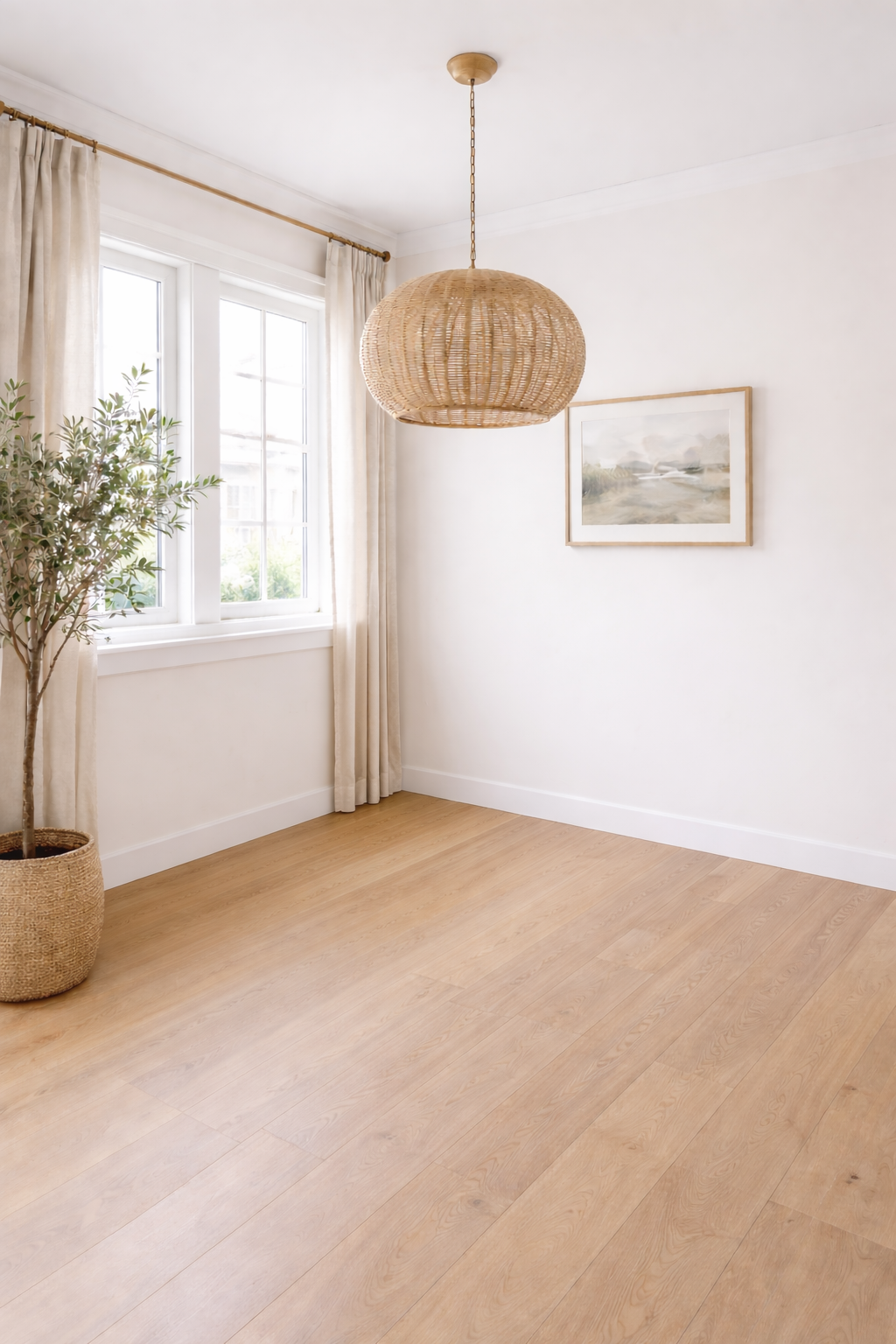
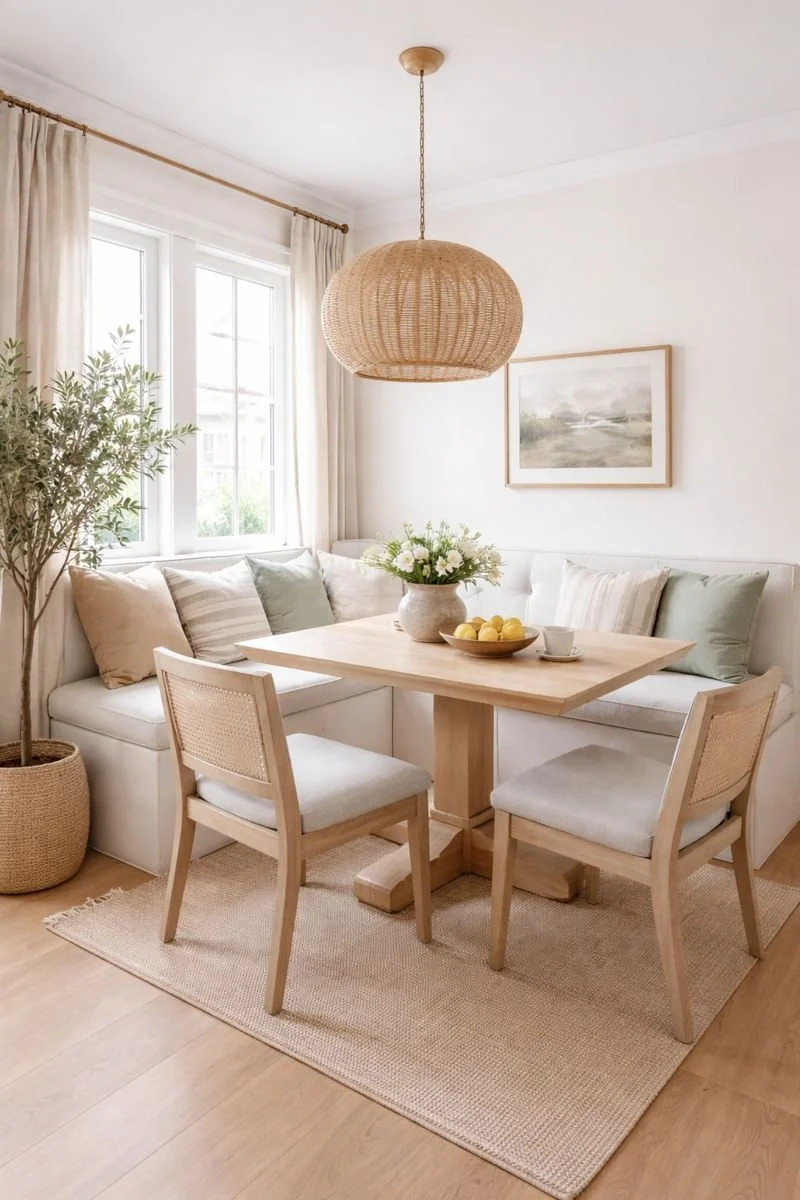
Get a similar look: Chandelier | Dining table | Dining chairs | Tasseld jute rug | Sheer pinch pleated curtains | Potted Olive Tree | | Warm gold curtain rod | Artwork | Pillows |
4. Take that list and prioritize within your budget with your contractor- saving 10-20k for unexpected expenses. Maybe that dining space isn’t such a problem and that can be cut, or maybe it is and you need to paint the bubblegum pink room yourself instead of hiring a painter to make up that money. But now is the time to really be mindful, make decisions that fit in your budget, and will give you your best ROI. Not all upgrades will give you your money back. Some examples are:
Best ROI:
Kitchen and bathroom upgrades that match your neighborhood’s market value matter. Kitchens and bathrooms sell houses, but don’t drop $50-per-square-foot marble tile into a middle-class, builder-grade area — you won’t recoup that cost. Instead, choose sensible options like subway tile or other mid-range choices in the $7–$10 per-square-foot range that look fresh without breaking the budget. Conversely, if you’re working in a custom or high-end neighborhood, a cheap subway tile backsplash or $1.99 laminate flooring won’t meet buyer expectations. That kind of area demands higher-end finishes, and it’s also wise not to make your first few flips in a custom neighborhood while you’re still learning the ropes.
Curb appeal. First impressions are important, and a good first impression will draw buyers in. Landscaping, new garage door, statement lighting, paint or new siding is cost effective, and can raise the home value significantly.
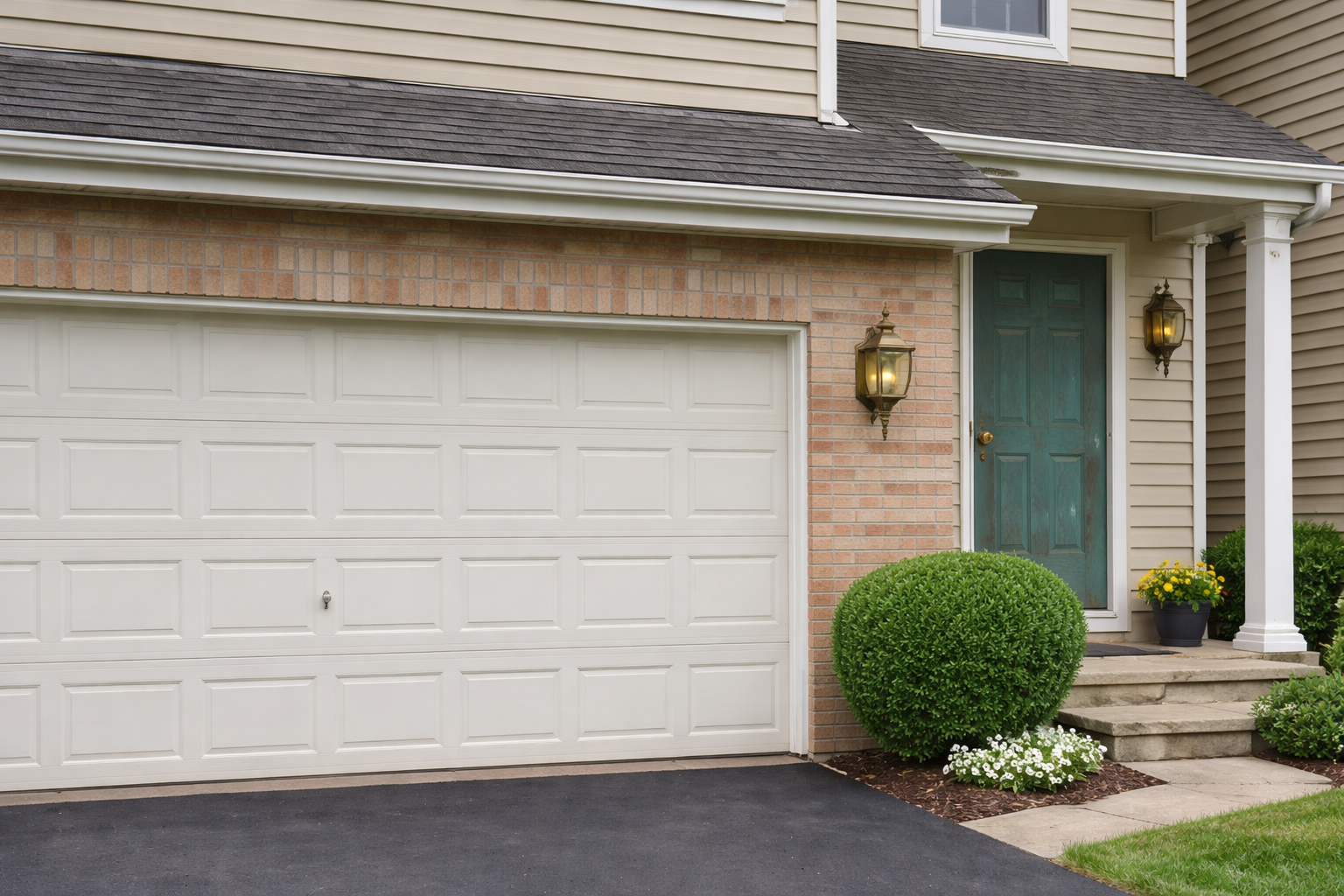
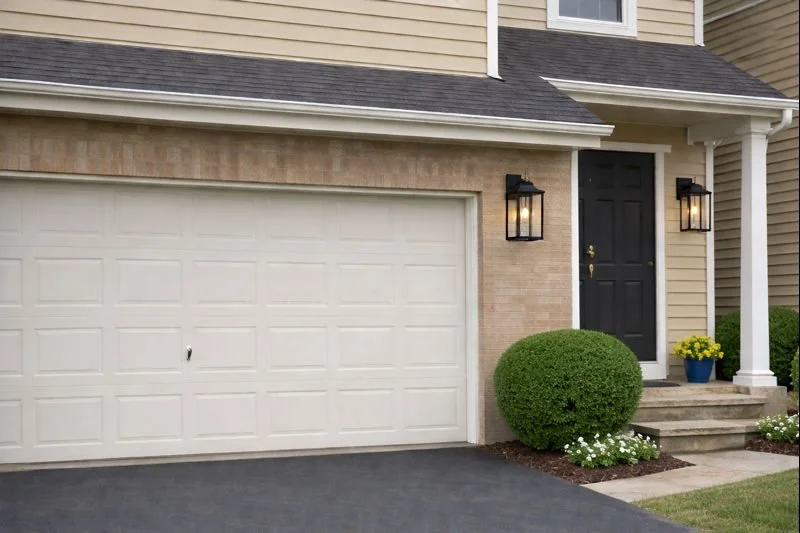
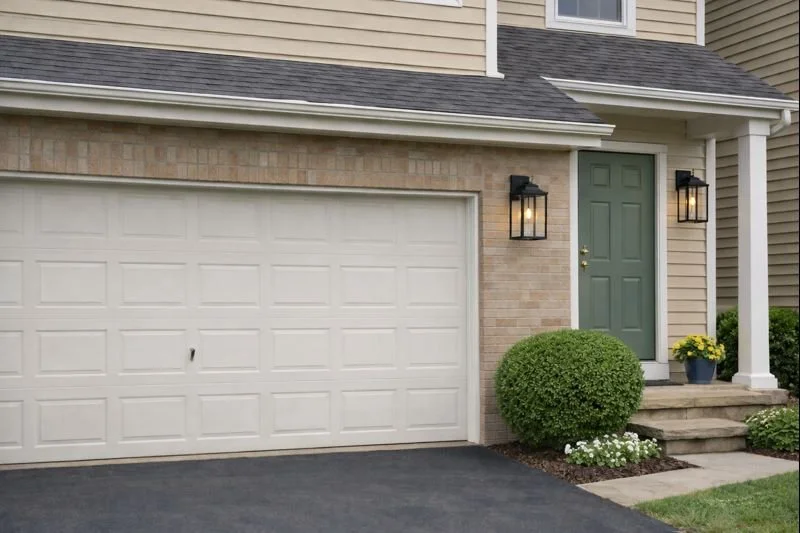
Here are mock-ups I created using the original exterior (first photo). The brick, garage door, siding, and landscaping are all in good shape—just a bit dated. A cheap fix: repaint the front door and swap the old light fixtures for more modern fixtures. Under $200 and about 2 hours of work. Or, if the market supports it, make bigger changes: replace lights, siding, knobs, and doors. It’s not extreme, but it transforms the house from builder-basic to custom. If your neighborhood market calls for that type of an upgrade, it’s worth the investment and you’ll see big returns (up to 150%).
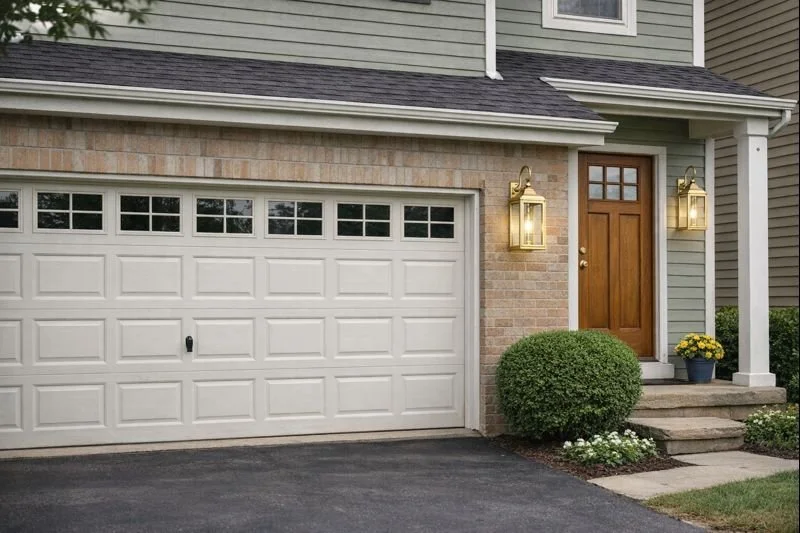
Fresh paint instantly and inexpensively transforms the home. It’s a big element in bringing the home up-to-date.
Update your flooring only if you have to. It’s expensive, and all other work is on hold while it’s done. If your floor is in good shape, and not super offensive to look at- stage and pick other finishes to complement it vs replacing.
Any outdated plumbing, mechanical, or electrical needs- this isn’t fun to spend money on, but if it’s not done- your buyers will run far, far away. This is non-negotiable.
With these steps in place and plenty more food for thought, I hope you’re feeling even more prepared and excited to take on a new investment property project. With the right tools, trustworthy people on your side, and a clear strategy and plan, you can move forward with confidence.